News
•
4 min read
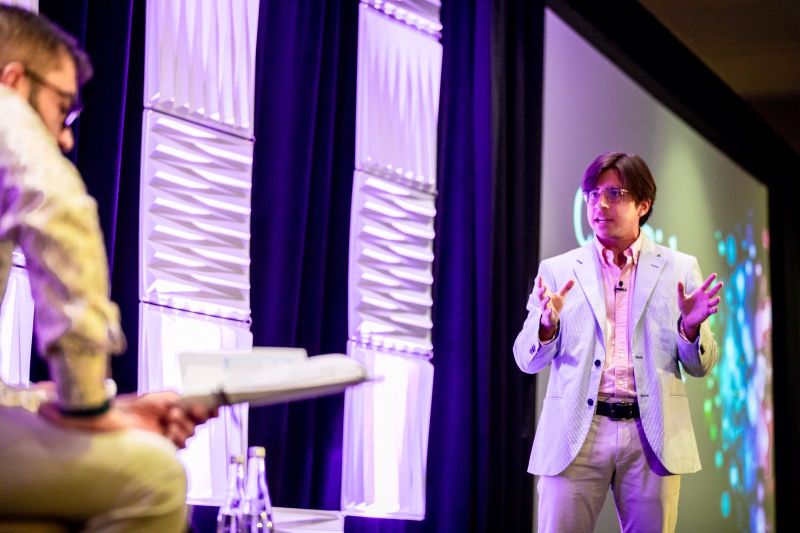
Founder and CEO Oscar Martinez delivered the winning pitch at the NetDilgience's Cyber Pitch Competition in Miami. His presentation focused on the recurring, high-risk manual processes that quietly erode carrier and MGA profitability, like Submission intake, Policy checking and QA, FNOL intake and bordereaux processing.
While outsourcing firms rely on human labor and most workbenches or policy admin systems focus on standard processes, Velos was purpose-built to solve what others sidestep, non-standard, E&S submissions and claims processes.
Key Insights
Recurring manual workflows in underwriting and claims operations represent one of the largest hidden cost centers in insurance. While carriers and MGAs invest heavily in distribution and risk selection, billions are quietly spent each year on manual processes.
These processes directly impact loss ratios and expense ratios, not because they are strategic, but because they are operationally fragile. The most operationally critical workflows, the ones that require judgment, exception handling, and system coordination, remain largely untouched by true automation.
Why it's hard to solve
Workflows in insurance are nuanced and each company handles it slightly differently.
A single FNOL or submission intake can require:
Extracting data from unstructured emails
Verifying information across multiple systems
Identifying edge cases or missing documentation
Applying judgment based on specific underwriting or claims rules
Flagging exceptions that require human escalation
These processes live inside SOPs, tribal knowledge, and the experience of seasoned operators, not inside clean datasets.
Most automation tools fail because they rely on rigid workflows like RPA. But real insurance operations require systems that can interpret instructions the same way a colleague would.
Why this win matters
The NetDiligence Cyber Risk Conference bring together cyber leader across carriers, MGAs and reinsurers and it means a lot to be recognized by a panel representing not just leading carriers and risk management firms but also security and legal executives.
What gets us most excited is it reinforces what we hear every day: insurance teams are actively looking for better ways to modernize underwriting and claims.Operational excellence is no longer optional — it is a competitive advantage.
Onward and upward!

